
You want an affordable dental bridge in Tucson that fits your budget and restores your smile without sacrificing quality. Tucson practices often offer multiple bridge types, payment plans, and local options that make reliable, long-lasting bridges accessible to many patients.
They will explain how different bridge materials, nearby providers, and financing choices affect cost and outcomes so you can compare options confidently. You’ll learn practical steps to customize care, maximize long-term value, and choose a trusted Tucson dentist who prioritizes comfort and results.
Understanding Dental Bridges
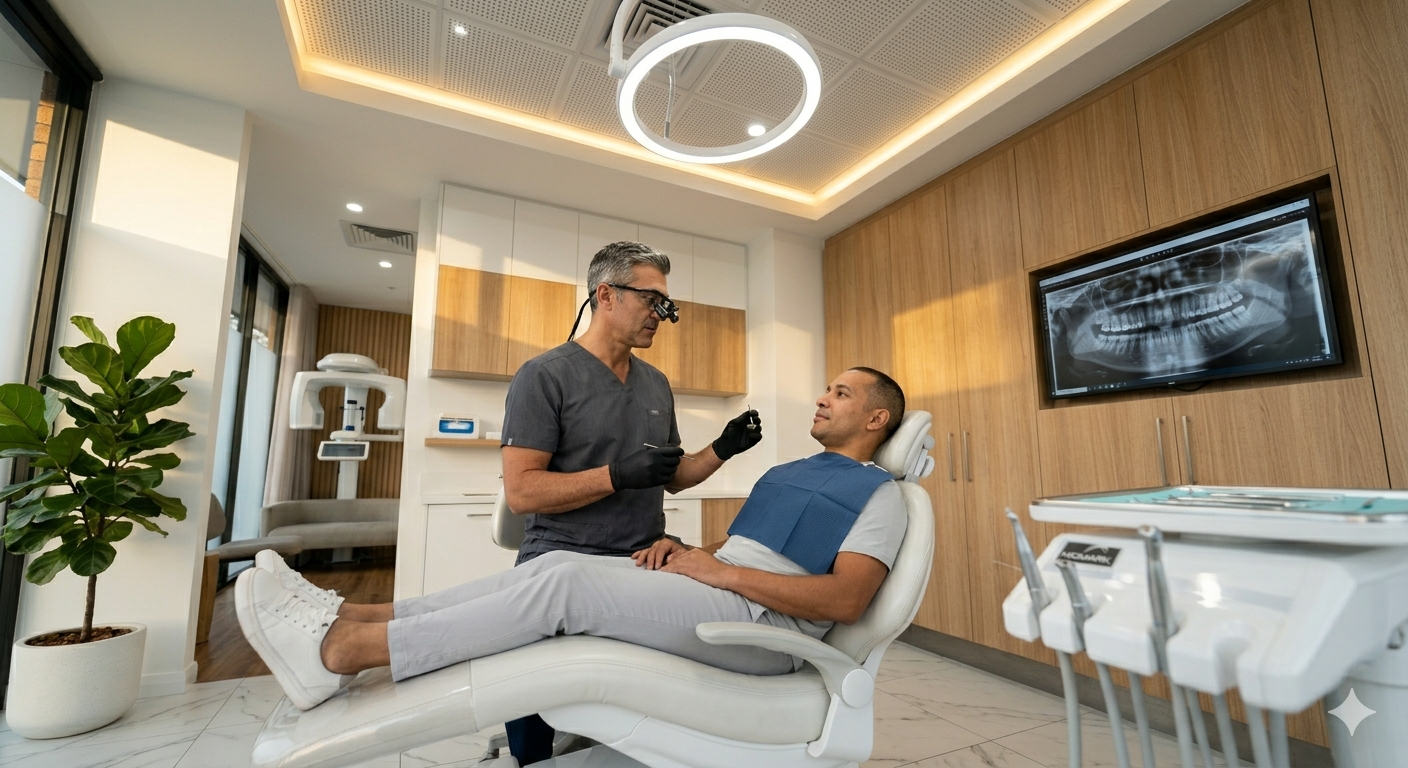
Dental bridges replace missing teeth to restore chewing, speech, and appearance. They rely on nearby teeth or implants for support and come in several types to match different situations and budgets.
What Are Dental Bridges?
A dental bridge is a fixed prosthetic that fills one or more adjacent missing tooth spaces.
It typically includes two support units—called abutments—and one or more replacement teeth known as pontics.
Abutments can be natural teeth reshaped to receive crowns or dental implants surgically placed into the jaw.
Bridges restore bite function and help prevent neighboring teeth from shifting into the empty space.
They also distribute chewing forces across supported teeth and can improve facial structure where tooth loss has caused sagging.
Patients usually notice improved speech and confidence after placement.
How Do Dental Bridges Work?
Bridges transfer biting forces through the pontic(s) to the abutments, stabilizing the dental arch.
If natural teeth are used as abutments, the dentist reduces enamel and shapes the teeth to fit crowns that will anchor the bridge.
Implant-supported bridges skip reshaping adjacent teeth; instead, titanium implants are placed in the jawbone and fuse with bone over several months.
Temporary restorations may be used while waiting for healing.
Once secured, bridges require routine home care—brushing, flossing under pontics with floss threaders or interdental brushes—and regular dental checkups to monitor fit and oral health.
Types of Dental Bridges
- Traditional fixed bridges: Pontic(s) anchored to crowns on natural abutment teeth; common for front and back teeth when abutments are healthy.
- Cantilever bridges: Supported by a crown on only one adjacent tooth; used when space or tooth availability limits support.
- Maryland (resin-bonded) bridges: Pontic bonded to metal or porcelain wings on the back of adjacent teeth; conservative but less durable under heavy bite forces.
- Implant-supported bridges: Pontics attached to dental implants; preserve nearby tooth structure and provide high stability for multiple missing teeth.
Cost, durability, and tooth preservation vary by type.
Dentists recommend implant-supported bridges when patients want long-term durability and have sufficient bone, while Maryland or traditional bridges may suit those seeking lower immediate cost or less invasive options.
Benefits of Choosing a Bridge
Bridges restore both appearance and function, replace missing teeth with a durable solution, and help prevent complications like bite changes and shifting teeth. They offer predictable results with materials and techniques that balance strength, esthetics, and cost.
Restoring a Confident Smile
A dental bridge fills the visible gap from one or more missing teeth, restoring the tooth line and facial support. Porcelain-fused-to-metal and all-ceramic bridges match adjacent tooth color and translucency, so people can smile without noticeable differences.
Bridges attach to neighboring teeth or implants, which stabilizes the prosthetic and prevents a sunken look in the cheek or lips. That facial support can improve appearance immediately after placement.
Patients often report increased self-confidence in social and professional settings after receiving a bridge. Because labs can shade-match teeth and contour anatomy, results look natural while remaining cost-effective compared with single-tooth implants in some cases.
Improving Chewing and Speaking
Replacing missing teeth with a bridge restores occlusal contacts needed for efficient chewing. Properly designed pontics distribute chewing forces across abutment teeth, reducing strain on remaining dentition during eating.
Bridges also help with pronunciation by re-establishing the tongue’s contact points for consonants like “t,” “d,” and “s.” This can reduce lisps or slurred sounds that develop when gaps alter airflow and tongue placement.
When clinicians verify bite alignment and adjust occlusion, patients typically notice improved bite comfort and clearer speech within days. Maintenance instructions—regular cleaning under the pontic and routine exams—preserve function and reduce the risk of future complications.
Supporting Oral Health
A bridge prevents adjacent teeth from drifting into the empty space, which helps maintain proper tooth spacing and bite relationships. That stability reduces the need for more complex restorative work later, like orthodontics or additional prosthetics.
Bridges can help distribute chewing forces evenly, protecting remaining teeth from excessive wear. Properly contoured pontics also make hygiene manageable when patients follow interdental cleaning techniques recommended by the dentist.
Dentists inspect abutment teeth and surrounding gum tissue during follow-up visits, allowing early detection of decay or periodontal issues. With good oral hygiene and periodic professional cleanings, a bridge can function effectively for many years while supporting overall dental health.
What Makes a Bridge Affordable in Tucson
Affordable bridges balance material choice, lab and clinic costs, and the long-term value of the restoration. Practical decisions about durability, warranty, and financing often matter more to patients than the lowest sticker price.
Material Options and Costs
Materials drive most of the price differences. Porcelain-fused-to-metal (PFM) bridges typically cost less upfront — often $800–$1,200 per unit in Tucson — and give reliable strength for back teeth. All-ceramic or zirconia bridges offer better aesthetics and biocompatibility but usually run higher, commonly $1,200–$2,000 per unit, depending on the lab and mill time.
Lab fees and fabrication method also affect cost. Milled CAD/CAM zirconia from local labs can reduce turnaround time and add modest expense compared with outsourced labs. Patients should ask about warranties, expected lifespan, and whether the quoted fee includes abutment work, temporary crowns, or adjustments.
Local Factors Influencing Price
Clinic overhead and dentist experience change local pricing. Practices in central Tucson with advanced equipment and specialists typically charge more than suburban clinics, but they may reduce visits and complications. Labs based in Arizona tend to save shipping costs and shorten wait times, which can lower total expense.
Insurance coverage and available discount plans shift patient out-of-pocket cost. Medicare doesn’t cover most dental bridges, but many PPO plans reimburse a percentage after waiting periods. Community clinics and dental schools in Tucson sometimes offer reduced-fee bridges performed by supervised residents, lowering cost while keeping quality standards.
Comparing Treatment Plans
Compare total cost, not just per-unit price. Ask for itemized estimates showing diagnostics, preparatory treatments (root canals, extractions), abutment work, temporaries, final prosthesis, and follow-up adjustments. One plan with a higher initial fee might include follow-up care and a longer warranty, making it less expensive over five years.
Evaluate alternatives like implant-supported crowns versus traditional bridges. Implants often cost more initially ($2,500–$4,500 per implant in the region) but preserve adjacent teeth and can lower long-term maintenance. A clear comparison chart or side-by-side estimate helps patients weigh upfront cost against longevity, function, and aesthetics.
Exploring Your Bridge Options Nearby
Affordable choices often depend on jawbone health, desired permanence, and budget. Patients should weigh upfront cost, long-term maintenance, and the number of missing teeth before deciding.
Traditional Bridges Versus Implants
Traditional bridges anchor to adjacent natural teeth that are shaped to accept crowns. They work well when neighboring teeth already need crowns or when bone density does not support an implant. The procedure typically takes two visits over a few weeks: tooth preparation, impressions, then placement of the final bridge. Expect moderate upfront cost and routine maintenance—daily cleaning under the pontic and regular dental visits to check margins.
Implant-supported bridges replace missing teeth with titanium posts placed into the jawbone. They preserve bone and do not require altering adjacent healthy teeth. Treatment spans several months because of healing and osseointegration; however, implants usually last longer and reduce the need for future replacements. Implants cost more initially but can be more cost-effective long term for younger, healthy patients. Candidates need adequate bone or may require grafting, which adds time and expense.
Removable and Fixed Bridges
Fixed bridges are cemented in place and feel most like natural teeth in everyday use. They require brushing and flossing, including specialized flossing under the bridge, but they don’t come out at night. Fixed options include traditional and implant-supported bridges; selection depends on tooth support and patient preference for permanence.
Removable bridges, such as partial dentures, clip onto remaining teeth or rests and can be taken out for cleaning. They cost less up front and are faster to fit, making them attractive for temporary or budget-conscious solutions. Removable options can be bulkier and may need periodic relining as the mouth changes. Patients who prioritize easy cleaning or lower initial cost might prefer removable devices, while those seeking stability and a lifelike feel often favor fixed bridges.
Why Location Matters
Choosing a provider in Tucson affects cost, convenience, and continuity of care. Local practices vary in pricing, insurance partnerships, and available financing. Patients should compare estimates for impressions, lab fees, and any preparatory work like extractions or grafts.
Proximity influences follow-up care, which is critical for implants that require multiple visits and monitoring. A nearby clinic can shorten recovery travel time and make adjustments easier. Look for practices that publish transparent pricing, show before-and-after cases, and offer sedation or comfort options if anxiety or extensive work is expected.
Customizing Care for Your Needs
Patients receive individualized plans that balance cost, durability, and comfort for dental bridges in Tucson. The following subsections explain how the team assesses oral health, offers tailored recommendations, and uses comfort-focused techniques during treatment.
Initial Consultation Experience
During the first visit, the dentist conducts a focused oral exam and documents missing teeth, bite alignment, and adjacent tooth condition. They take digital X-rays and an intraoral scan to measure bone levels and the precise spacing for a bridge.
The patient discusses budget limits, cosmetic goals, and any dental anxiety. The hygienist records gum health and notes habits like grinding or smoking that affect bridge longevity.
The team reviews past dental history and current medications to identify implants or crown compatibility issues. They explain timelines clearly: impressions and temporary bridge placement often occur in separate visits, while implant-supported bridges require a healing period.
A treatment coordinator outlines payment options and insurance estimates in writing. This allows patients to compare traditional fixed bridges, implant-retained bridges, and removable partials with transparent cost expectations.
Personalized Treatment Recommendations
After assessment, the dentist recommends specific bridge types matched to the patient’s oral conditions and financial priorities. For a healthy adjacent tooth and modest budget, a traditional fixed bridge using porcelain-fused-to-metal or all-ceramic crowns is often suggested.
If preservation of neighboring teeth is a priority and bone volume is sufficient, an implant-supported bridge is proposed for longer-term stability. The dentist cites implant placement requirements, expected healing time, and additional fees.
For patients with limited finances or widespread tooth loss, a removable partial denture or a resin-bonded (Maryland) bridge may be recommended as interim or conservative options. Each recommendation includes expected lifespan, maintenance needs, and how it affects chewing and speech.
The team provides a side-by-side comparison table showing cost range, invasiveness, durability, and appearance to help patients decide.
- Traditional fixed bridge: $1,200–$2,500 per unit; moderate invasiveness; 5–15 years.
- Implant-supported bridge: $3,000–$6,000 per implant; surgical; 15+ years.
- Removable partial: $500–$2,000; least invasive; 3–7 years.
Advanced Comfort Techniques
Clinics in Tucson use multiple methods to reduce discomfort during bridge preparation and placement. Local anesthesia combined with computer-controlled delivery systems helps minimize injection pain and ensures consistent numbness.
For anxious patients, nitrous oxide (laughing gas) and oral sedatives are available; the dentist assesses medical history before recommending sedation. They also use pre-visit relaxation strategies such as breathing exercises and noise-cancelling headphones.
During crown preparation, dentists favor minimally invasive margin designs and digital impressions to shorten chair time and avoid gag reflex triggers. Temporary bridges are fabricated same-day in many offices to protect prepared teeth and maintain function.
Post-appointment, clinicians provide clear aftercare instructions, a soft-food checklist, and a contact line for urgent concerns. They schedule follow-ups to check fit, adjust occlusion, and plan long-term maintenance like hygiene cleanings and yearly exams.
Maximizing Long-Term Value
Maintaining bridge longevity depends on consistent daily care and timely professional checkups. Small habits and regular visits prevent costly repairs and keep chewing, speech, and smile appearance steady.
Proper Home Care for Bridges
They should brush twice daily using a soft-bristled brush and fluoride toothpaste, paying special attention to the margins where the bridge meets natural teeth. Quick, gentle strokes remove plaque without abrading the crown material.
Flossing under a fixed bridge requires a floss threader or superfloss; slide the floss beneath the pontic, hug the side of each abutment, and move up-and-down to clear food and bacteria. Doing this once daily prevents decay at the supporting teeth.
An interdental brush or water flosser helps remove debris from hard-to-reach areas; choose a low-pressure setting and a small tip to avoid dislodging temporary restorations. Avoid sticky or excessively hard foods (taffy, ice) during the first weeks after placement and limit chewing on the bridge side if sensitivity persists.
If sensitivity, looseness, or a persistent bad taste appears, they should contact the dentist promptly. Early intervention often preserves the bridge and supporting teeth.
Follow-Up Visits and Support
They typically need a post-placement check within two weeks to confirm fit, bite, and gum healing; the dentist adjusts occlusion or polish rough edges at that visit. After that, schedule professional cleanings every three to six months based on oral health and gum status.
During recall visits the dentist examines abutment teeth for decay and checks cement integrity, while hygienists remove calculus around margins using fine instruments and polish the bridge surface. Digital X-rays every 12–24 months help detect hidden decay beneath crowns before it becomes a major problem.
If repairs are necessary, many Tucson practices offer same-day services or temporary solutions to restore function quickly. They should ask the practice about warranty, financing, and maintenance plans at the first appointment to avoid surprises and protect their investment.
Financing and Insurance Insights
Patients will learn common payment options, typical insurance behavior for bridges, and practical steps to estimate out-of-pocket costs before treatment. The guidance focuses on clear choices, typical timelines, and what documents or questions to prepare.
Exploring Payment Plans
Many Tucson practices offer in-house financing or partner with third-party lenders like CareCredit or LendingClub. CareCredit commonly provides 6–24 month interest-free plans for qualified applicants; longer terms usually carry interest.
Patients should ask clinics for a written fee breakdown showing lab, material, and follow-up visit charges. That makes it easier to compare a 12-month interest-free plan versus a 36-month plan with 6–9% APR.
Some offices allow splitting the bridge cost: deposit for impressions, payment at delivery, and smaller charges for adjustments. Others accept major credit cards or checks.
They should request a timeline showing when each payment is due to avoid surprise balances after prosthetic fabrication or temporary crown phases.
Understanding Insurance Coverage
Most dental insurance classifies fixed bridges as a major restorative procedure, often covered at 50% after meeting the annual deductible. Policies typically have annual maximums between $1,000–$2,000; patients should calculate how much of the bridge will exceed that cap.
Pre-authorization (predetermination) is essential. A predetermination sends the treatment plan and X-rays to the insurer so the patient receives a written estimate of covered amounts before work begins.
Medicaid rarely covers adult bridges in Arizona, but some private plans and employer-sponsored policies do. Patients should verify remaining benefits for the plan year, ask if lab fees are excluded, and confirm coverage for diagnostic visits and temporaries.
If benefits are limited, a clinic may stagger treatment to use two plan years or advise on combining insurance with a financing plan for manageable monthly payments.
Choosing the Right Tucson Dentist
Patients should look for a dentist who combines experience with a compassionate chairside manner. They want someone who explains bridge options clearly and answers questions without rush.
Check credentials and affiliations—state licensure, ADA membership, and continuing-education courses matter. A dentist who stays current with implant and restorative training usually offers more predictable results.
Read reviews and ask for before-and-after photos of bridge work. Seeing real cases helps set realistic expectations and reveals the practice’s aesthetic style.
Consider office logistics: location, hours, insurance acceptance, and financing plans. These practical details often determine whether a treatment plan is truly affordable and convenient.
Tour the practice or request a consultation to evaluate comfort measures and technology. Digital X-rays, intraoral cameras, and sedation options can reduce anxiety and improve precision.
Compare costs with a clear written estimate that breaks down fees for consultations, lab work, and follow-up visits. Ask about warranties or adjustments; many practices offer limited guarantees on bridge fit and function.
Choose a dentist who emphasizes preventive care alongside restorations. Regular maintenance guidance and hygiene visits extend the life of a bridge and protect surrounding teeth.
If uncertain, schedule a short consultation to discuss options and meet the team. They can provide personalized recommendations and next steps to move forward confidently.
Taking the First Step Towards Your Best Smile
They should start by scheduling a consultation with a trusted Tucson dental office that offers affordable bridge options. A short exam and digital X-rays help the dentist assess missing teeth, jaw health, and suitable bridge types.
During the visit, the dentist explains options in plain language — from traditional fixed bridges to implant-supported bridges — and discusses pros, cons, timelines, and costs. Patients appreciate clear cost estimates and financing or insurance guidance up front.
Comfort matters; clinics often use local anesthesia, sedation options, and gentle techniques to reduce anxiety. Staff members walk patients through each step so they know what to expect before, during, and after treatment.
A simple checklist helps preparations feel manageable:
- Bring insurance information and a list of medications.
- Note goals and any questions about appearance, function, or budget.
- Ask about warranty, follow-up visits, and oral care instructions.
They should also consider preventive steps that improve bridge longevity, like daily flossing under the pontic, regular cleanings, and avoiding very hard foods. Small habits protect investments and preserve oral health.
If anyone feels unsure, a brief phone call or online chat with the dental team often answers quick questions and schedules the first visit. Patients are encouraged to reach out and book a consultation to discuss personalized, affordable options.
Frequently Asked Questions
This section gives clear, practical answers about costs, choices, financing, comparisons with implants, the treatment timeline, and daily care for dental bridges in Tucson, AZ.
How much does a dental bridge typically cost in Arizona, and what factors change the price?
In Tucson, a traditional three-unit porcelain-fused-to-metal bridge commonly ranges from $1,200 to $2,500. Prices vary by material, complexity, and whether extra work (root canals, extractions, bone grafts) is required.
Private-practice fees, lab costs, and the need for custom shading can raise the total. Specialist involvement, such as a prosthodontist, can increase fees compared with a general dentist.
What are the most budget-friendly dental bridge options, and how long do they usually last?
A traditional metal or porcelain-fused-to-metal bridge tends to be the most affordable option, often lasting 5–15 years with proper care. Resin-bonded (Maryland) bridges cost less upfront but usually last 5–10 years and may be less durable in high-bite areas.
All-ceramic bridges cost more but provide better aesthetics and can last 10–15 years or longer. Longevity depends on oral hygiene, bite forces, and regular dental check-ups.
What can I do if I need a bridge but money is tight—are payment plans or financing common?
Many Tucson dental offices offer in-house payment plans, sliding fees, or third-party financing through companies like CareCredit. Patients can often split treatment into phases to spread cost across visits.
Dental schools and community clinics sometimes provide lower-cost bridge options performed by supervised students. Insurance may cover part of the bridge; patients should check annual maximums and waiting periods.
How do dental bridges compare to implants for replacing missing teeth in terms of comfort and cost?
Dental bridges generally cost less upfront than single-tooth implants; a three-unit bridge often runs thousands less than implant placement plus crown. Bridges rely on adjacent teeth for support, which can alter those teeth and sometimes cause longer-term issues.
Implants feel and function more like natural teeth and do not require modifying neighboring teeth, but they require surgery, a longer timeline, and higher initial cost. Comfort and success depend on bone quality, oral health, and patient care.
What should I expect during the bridge process—from the first visit to the final placement?
The first visit usually includes an exam, X-rays, and discussion of options. If a bridge is chosen, the dentist prepares abutment teeth, takes impressions, and places a temporary bridge—often completed in one to two visits.
The laboratory fabricates the final bridge in 1–3 weeks. On the placement visit, the dentist fits and cements the permanent bridge, checks bite alignment, and gives care instructions. Additional visits may follow for adjustments.
How can I care for a dental bridge at home to help it last as long as possible?
Brush twice daily with a soft-bristled brush and use low-abrasive fluoride toothpaste to protect the bridge surface. Floss under the pontic with a floss threader or use interdental brushes and a water flosser to clean beneath the bridge.
Avoid very hard or sticky foods that can stress the bridge. Keep six-month dental check-ups and professional cleanings to monitor the bridge and surrounding teeth.
For personalized pricing, financing options, or to schedule an exam, patients should contact their local Tucson dental office to discuss next steps.